
Technical and Skill-Based Training: A Growing Need for Rural Areas of Pakistan

In today’s fast-changing world, technical and skill-based training has become the need of the time, especially for rural areas of Pakistan. Traditional education alone is no longer sufficient to meet the demands of the modern job market. With rapid advancements in technology, every field of life now requires digital knowledge, practical skills, and professional expertise.
Unfortunately, rural communities in Pakistan still face serious challenges in accessing quality education, modern infrastructure, and skilled teaching staff. As a result, millions of talented young people remain unemployed or underemployed. To bridge this gap, skill-based IT education in rural Pakistan is the most effective and sustainable solution.
Education Challenges in Rural Pakistan
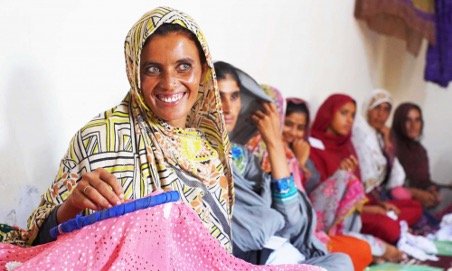
Access to normal education in rural areas of Pakistan is extremely difficult. Many villages lack:
- Proper school buildings
- Qualified teachers
- Updated syllabi
- Computer labs and internet access
Students often travel long distances to attend schools or colleges, which increases dropout rates. Financial limitations further restrict families from supporting higher education. In such conditions, expecting rural youth to compete in a technology-driven world becomes nearly impossible.
At the same time, the modern age demands skills in:
- Information Technology
- Digital communication
- Online business
- Software and web development
Without these skills, rural populations are left behind while urban areas continue to progress.
Why Technical and Skill-Based Training Is Essential

Technical and vocational education focuses on practical learning, enabling students to earn a livelihood rather than just acquiring degrees. Skill-based training empowers youth to:
- Become self-employed
- Work as freelancers
- Secure local and international jobs
- Support their families financially
Fields such as Digital Marketing, Web Development, Graphic Designing, Python Programming, Office Management, and Cyber Security are among the most in-demand skills globally. These skills are especially suitable for rural areas because they do not require heavy industrial infrastructure—only knowledge, training, and digital access.
However, setting up IT institutes in rural Pakistan requires huge investment, modern facilities, and professional technical staff. This is where visionary leadership and social commitment make a real difference.
A Legacy of Social Welfare in Dijkot
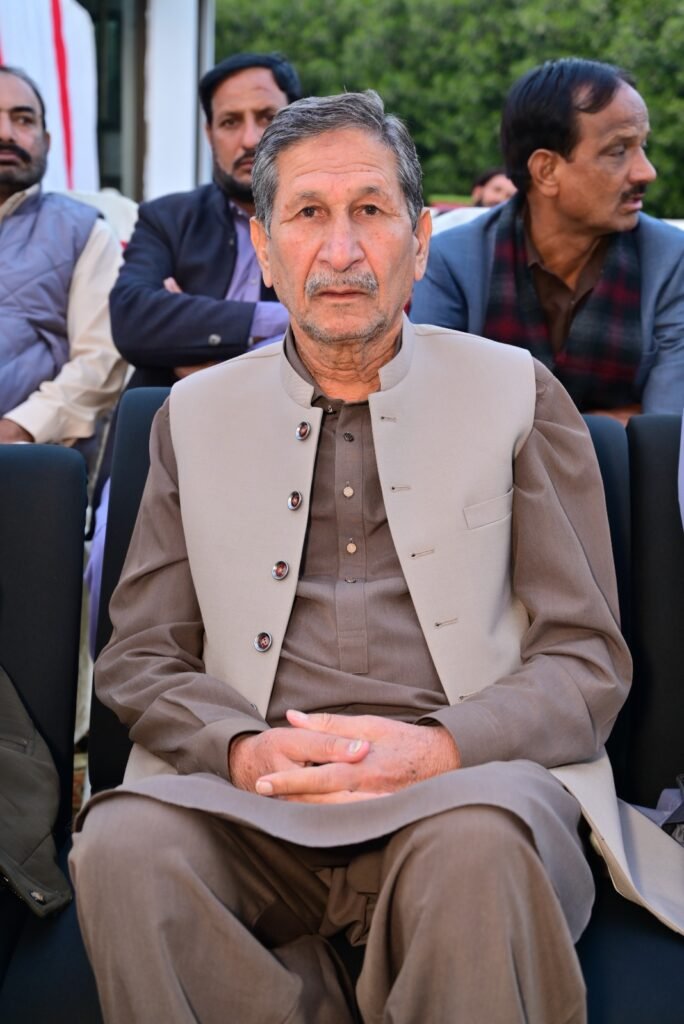
The town of Dijkot has been blessed with individuals dedicated to serving humanity. Late Mian Abdul Qayoom was one such personality who devoted his life to helping the poor and uplifting the underprivileged community. His mission was centered on education, dignity, and empowerment.
He firmly believed that real development comes from educating people and equipping them with skills, not just providing temporary support. His lifelong efforts left a lasting impact on the people of the area.
Continuing the Vision: Mian Abdul Rauf’s Contribution
After the death of Late Mian Abdul Qayoom, his younger brother Mian Abdul Rauf took responsibility for continuing this noble mission of social service. Understanding the demands of the modern era, he established a latest IT training center in Dijkot, aimed at providing free computer education to deserving students from rural backgrounds.
This initiative focuses on high-demand, career-oriented IT courses, including:
- Digital Marketing & SEO
- Web Development
- Graphic Designing
- Office Management
- Python Programming
- Cyber Security
These courses are designed according to industry standards, ensuring students gain practical knowledge, professional skills, and real-world exposure.
Career Growth and Financial Freedom Through IT Skills
The primary goal of this initiative is to help students build strong career paths. After completing these courses, students are capable of:
- Working in IT companies
- Earning through freelancing platforms
- Starting online businesses
- Becoming financially independent
In rural areas where job opportunities are limited, such training opens doors to global employment opportunities. Skilled students become productive citizens who can support their families and contribute positively to the economy.
State Institute of Professional Studies, Dijkot
The State Institute of Professional Studies, Dijkot, is a state-of-the-art IT institute established exclusively to promote Information Technology education in rural Pakistan. It represents a modern approach to vocational and technical training.
Key Features of the Institute:
- Modern computer laboratories
- Advanced IT infrastructure
- High-speed internet connectivity
- Professional and qualified instructors
- A dedicated incubation center
The incubation center allows students to work on live projects, gain hands-on experience, and earn while learning, which significantly boosts their confidence and employability.
Nationally Recognized Affiliations
To ensure quality education and recognized certification, the State Institute of Professional Studies, Dijkot is proudly affiliated with major national bodies, including:
- NAVTTC (National Vocational & Technical Training Commission)
- Trade Testing Board
- TEVTA (Technical Education & Vocational Training Authority)
- Government of Punjab
- Federal Board
These affiliations guarantee that students receive valid, recognized certifications, enhancing their chances of employment in both public and private sectors.
Bridging the Digital Divide in Rural Pakistan
Institutions like the State Institute of Professional Studies play a vital role in reducing the rural-urban digital divide. By bringing modern IT education, professional training, and employment opportunities to rural areas, they are transforming lives and communities.
This model proves that with the right vision and leadership, it is possible to overcome challenges such as lack of infrastructure, limited resources, and skilled manpower.
Conclusion
Technical and skill-based training is no longer optional—it is essential for the future of Pakistan, especially in rural areas. In the age of technology, empowering youth with IT skills is the most effective way to combat unemployment, poverty, and social inequality.
The legacy of Late Mian Abdul Qayoom and the continued efforts of Mian Abdul Rauf through the State Institute of Professional Studies, Dijkot, stand as a powerful example of how education and technology can uplift entire communities.
By providing free, high-quality IT education, modern facilities, and career guidance, this institute is not just training students—it is building a skilled, self-reliant, and digitally empowered Pakistan.